

In recent years, with the diversified development of household kitchen equipment, consumers often find themselves in a dilemma when choosing between gas stoves and electric stoves. From multiple perspectives such as energy consumption and maintenance, which type of stove has a lower long-term operating cost? This article will provide you with a detailed analysis.
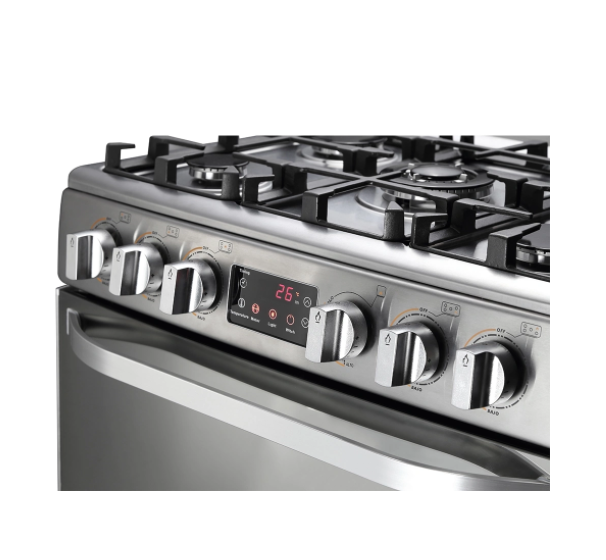
Firstly, from the perspective of energy consumption, both gas stoves and electric stoves have their own advantages and disadvantages. Gas stoves use natural gas or liquefied gas as fuel, and their thermal efficiency is usually between 60% and 70%. Some high-end gas stoves can even meet the first level energy efficiency standards, significantly reducing gas waste. In contrast, electric stoves (such as electric flame stoves or electric ceramic stoves) have higher thermal efficiency, reaching over 90%. According to calculations, the monthly electricity bill for a family of four is about 45 yuan. Using an electric flame stove saves 15% more energy than natural gas and 40% more energy than liquefied gas. Therefore, in terms of energy costs, electric stoves may have more advantages, especially in areas with lower electricity prices or higher natural gas prices.
Secondly, maintenance costs are also an important factor that cannot be ignored. Due to the involvement of complex components such as gas pipelines and burners, gas stoves require regular cleaning and inspection to ensure safety and efficiency. In addition, the maintenance cost of gas stoves is relatively high, especially when there are ignition faults or leakage problems, which may require professional personnel to handle. The structure of electric stoves is relatively simple, and daily maintenance only requires cleaning the surface. Although the initial investment for electric stoves is relatively high, their long-term maintenance costs are low, and multiple safety protection designs (such as leakage protection, ground wire detection, etc.) further reduce potential risks.
However, electric stoves also have some shortcomings. For example, in some areas, the high load on the power grid may lead to unstable voltage during peak electricity consumption, affecting the effectiveness of electric stoves. In addition, electric stoves require high compatibility with cookware, especially electric ceramic stoves, which need to ensure a flat bottom and good thermal conductivity.
Overall, gas stoves are suitable for households pursuing high firepower cooking, especially in areas with stable natural gas supply and reasonable prices. Electric stoves are more suitable for users who focus on energy conservation, environmental protection, safety, and long-term economic benefits. For families with limited budgets but pursuing high efficiency, they can choose a cost-effective gas stove, such as the Huadi 5.2kW high-power gas stove, which combines high efficiency and low energy consumption. For users who are willing to invest more funds at once to reduce long-term usage costs, electric flame stoves are undoubtedly a better choice.
In short, whether it is a gas stove or an electric stove, the key to choosing is to combine one's own needs, usage habits, and local energy prices. Only by finding the most suitable product for oneself can we truly achieve efficient, economical, and safe kitchen life.