

Ovens have become one of the indispensable cooking equipment in the kitchen. Faced with the two choices of Electric Oven and Gas Oven, many consumers will struggle with which one is more energy-efficient. This article will explore this issue in depth to help everyone make a better choice.
1. Heating principle and energy efficiency basis
Electric ovens convert electrical energy into thermal energy through electric heating elements (such as resistance wires), and their heating process is relatively stable and uniform. Modern electric ovens are usually equipped with precise temperature control systems that can automatically adjust the power of the heating elements according to the set temperature to maintain a constant internal temperature of the oven. This precise temperature control helps to reduce unnecessary energy waste and improve cooking efficiency. For example, in the preheating stage, the electric oven can quickly reach the set temperature and automatically reduce the power after reaching it, and only replenish heat when the temperature drops slightly, thereby achieving a more energy-saving heating mode.
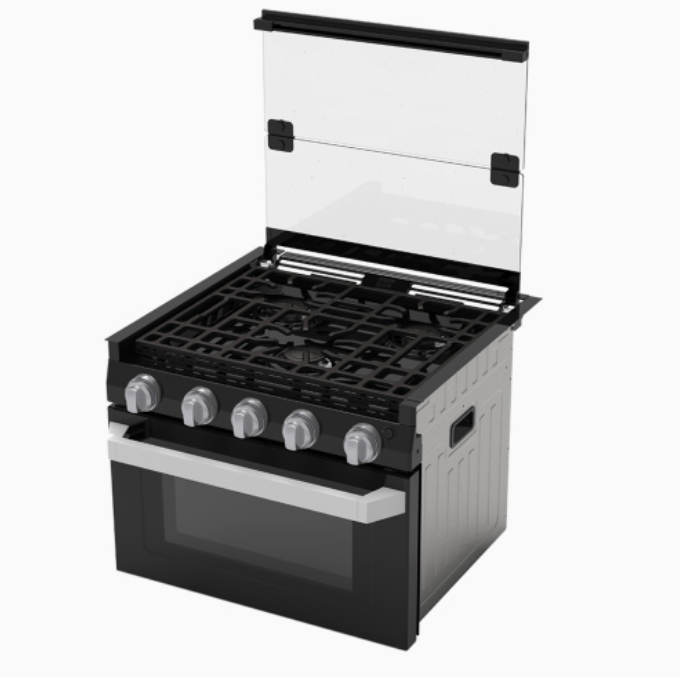
In contrast, gas ovens use the heat generated by burning natural gas or liquefied petroleum gas to heat food. Although the heating speed of gas ovens is also very fast, their temperature control is relatively imprecise. Local temperatures may be too high or too low during the combustion process, which not only affects the cooking effect of the food, but also may cause uneven energy consumption. In addition, part of the heat generated by gas combustion will be dissipated into the external environment through the oven's exhaust system, further reducing the overall energy efficiency.
2. Analysis of specific energy consumption factors
(1) Frequency of use
Whether it is an electric oven or a gas oven, the frequency of use has a significant impact on its energy consumption. If a family rarely uses the oven, the difference in energy consumption between the two ovens may not be obvious. For example, for a family that occasionally makes baked goods, the energy consumption of both the electric oven and the gas oven is relatively low per use, which will not have much impact on the family's energy bill.
However, for families who frequently use the oven, such as professional bakers or baking enthusiasts, the increase in frequency of use will amplify the difference in energy consumption between the two ovens. Assume that a family uses the oven 3-4 times a week, and each time it is used for about 1-2 hours. In this case, due to its energy efficiency advantage, the electric oven may save more energy than the gas oven in the long run. According to relevant research, when the electric oven is used frequently, its energy efficiency is about 15%-20% higher than that of the gas oven, which means that in the long run, the electric oven can save users more energy costs.
(2) Power setting
The power setting of the oven is also a key factor affecting energy consumption. The power of an electric oven is usually between 1000 and 3000 watts, and different power settings correspond to different cooking needs. For example, when baking small pastries, a lower power (such as 1000-1500 watts) is sufficient; when baking large meats or multiple baked goods, a higher power (2500-3000 watts) may be required. Users can reasonably choose the power setting according to actual cooking needs and avoid excessive use of high-power mode, thereby reducing energy consumption.
For gas ovens, their power mainly depends on the firepower of the burner. Although users can control the firepower by adjusting the gas valve, this adjustment method is relatively imprecise, and there are also differences in firepower control between different brands and models of gas ovens. Generally speaking, gas ovens have a wider firepower range, but their energy efficiency may be reduced in low-firepower mode because the combustion efficiency may not be as high as when the firepower is high. Therefore, when using a gas oven, users need to choose the firepower size reasonably according to cooking needs and avoid using low firepower mode for a long time to reduce unnecessary energy waste.
3. Other energy-saving considerations
(1) Oven insulation performance
Good insulation performance is crucial to the energy saving of the oven. Whether it is an electric oven or a gas oven, if the insulation performance is poor, the heat will quickly dissipate into the external environment, causing the oven to need to constantly replenish heat to maintain the set temperature, thereby increasing energy consumption. Modern electric ovens usually use multi-layer glass doors and high-quality insulation materials to improve insulation performance and reduce heat loss. Gas ovens may have some challenges in insulation due to the particularity of their combustion and exhaust systems. Therefore, when choosing an oven, users should pay attention to the insulation performance indicators of the oven, such as heat loss rate, and choose products with better insulation performance to improve the energy saving effect of the oven.
(2) Oven maintenance and cleaning
Regular maintenance and cleaning of the oven is also an important part of ensuring its energy-saving operation. For electric ovens, cleaning the heating elements and the grease and food residue inside the oven can improve the heat conduction efficiency and reduce the waste of electricity. If the surface of the heating element is covered with thick oil, its thermal conductivity will be reduced, causing the heating element to consume more electricity to reach the same temperature. The burner of the gas oven also needs to be cleaned regularly to ensure that the gas can be fully burned and improve combustion efficiency. Clogged burner nozzles will cause incomplete combustion of gas, which not only wastes gas, but also produces harmful gases, affecting the environment and human health. Therefore, users should develop the habit of regular maintenance and cleaning of the oven to keep it in good working condition and achieve energy saving goals.
4. Conclusion
In general, electric ovens are generally better than gas ovens in terms of heating uniformity and energy efficiency. Its precise temperature control and stable heating performance enable it to show better energy saving effects when used frequently. However, the specific energy consumption is also affected by many factors such as frequency of use and power setting. When actually choosing an oven, consumers should comprehensively consider factors such as their cooking needs, usage habits, and sensitivity to energy costs. For those who pursue high efficiency and energy saving, uniform cooking effects, and are more concerned about energy costs, electric ovens may be a better choice. For some users who have a special preference for gas cooking, or in some areas where gas prices are relatively low and supply is stable, gas ovens are also suitable for their use. No matter which oven you choose, reasonable use and maintenance of the equipment are the key to achieving energy saving.