

In modern kitchens, gas ovens are loved by many families for their efficient cooking ability and convenient operation. However, for some users who are new to gas ovens, they may be curious about the ignition method of the oven. This article will introduce the ignition method of gas ovens in detail, especially the advantages of electronic pulse ignition, and why this ignition method is the standard configuration of modern gas ovens.
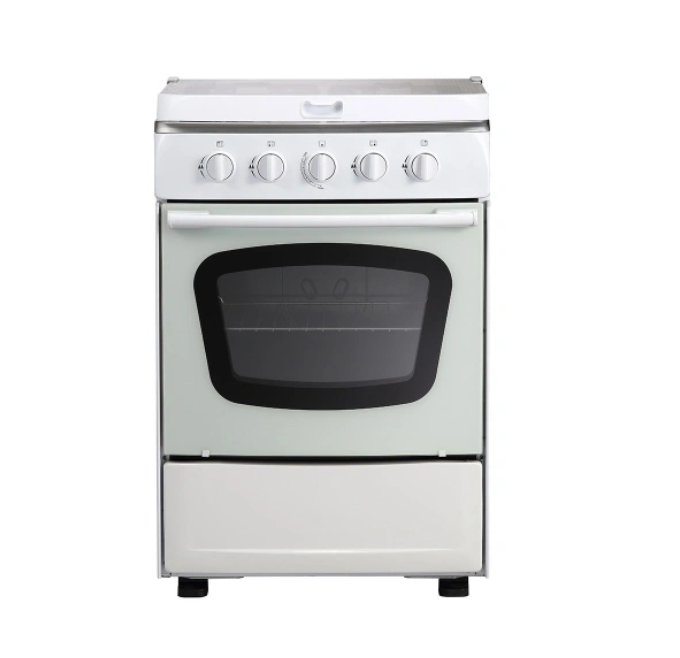
Ignition method of gas oven
There are two main ignition methods for gas ovens: electronic pulse ignition and manual ignition. However, with the development of technology and the improvement of safety standards, modern gas ovens almost all use electronic pulse ignition systems. This ignition method is not only easy to operate, but also safer and more reliable.
Electronic pulse ignition
Electronic pulse ignition is the most common ignition method in gas ovens at present. It generates high-frequency electric sparks through an electronic pulse generator to ignite the gas in the burner. The advantages of this ignition method include:
1. Easy operation: The user only needs to gently turn the knob of the burner, and after hearing the "click" sound, the electronic pulse ignition system will automatically generate electric sparks and ignite the gas. The whole process does not require additional operation, which is very convenient and fast.
2. High safety: The electronic pulse ignition system is equipped with a variety of safety devices, such as flameout protection devices. If the flame is accidentally extinguished, the system will automatically cut off the gas supply to prevent gas leakage and ensure safe use.
3. Strong reliability: The electronic pulse ignition system adopts advanced electronic technology, with a high ignition success rate and almost no ignition failure. It can work stably even in a humid environment.
Manual ignition
Manual ignition is a traditional ignition method, which usually requires users to use matches or lighters to ignite the gas in the burner. Although this ignition method is simple, it has some disadvantages:
1. Cumbersome operation: The user needs to open the gas valve first, and then use a match or lighter to ignite the burner. The operation is cumbersome, especially when both hands are busy, which may cause inconvenience.
2. Low safety: During manual ignition, improper operation may cause gas leakage or flame loss of control, posing certain safety hazards.
3. Low ignition success rate: The success rate of manual ignition is greatly affected by environmental factors (such as wind, humidity) and operating skills, and multiple ignition failures may occur.
Why do modern gas ovens use electronic pulse ignition?
(1) User-friendliness
The operation of the electronic pulse ignition system is very simple, and even first-time gas oven users can easily master it. Gently turn the knob, and after hearing a "click" sound, the burner can be ignited. This convenient operation method greatly improves the user experience and reduces the possibility of operating errors.
(2) Safety
The safety of modern gas ovens is the primary consideration in design. The electronic pulse ignition system is equipped with a variety of safety devices, such as flameout protection devices and overheating protection devices. These devices can automatically cut off the gas supply when the flame is accidentally extinguished or the temperature inside the oven is too high, effectively preventing gas leakage and fire accidents.
(3) Reliability
The electronic pulse ignition system uses advanced electronic technology, has a high ignition success rate, and is almost unaffected by environmental factors. Even in humid or windy environments, it can work stably to ensure that the burner can ignite smoothly. This high reliability makes electronic pulse ignition an ideal choice for modern gas ovens.
Maintenance and care of electronic pulse ignition
Although the electronic pulse ignition system has many advantages, proper maintenance and care are also required to ensure its long-term stable operation. The following are some maintenance suggestions:
1. Regular cleaning: Clean the burner and ignition device regularly to remove oil and dust on the surface. You can use a soft cloth dipped in a small amount of mild detergent to wipe, but avoid using rough tools to avoid damaging the ignition device.
2. Check the battery: The electronic pulse ignition system usually requires battery power. Check the battery power regularly to ensure that it can work properly. If the battery power is found to be low, it should be replaced in time.
3. Check the connection: Regularly check whether the connection between the gas pipeline and the ignition device is firm and ensure that there is no leakage. If the connection is found to be loose or leaking, contact a professional technician for repair in time.
Almost all modern gas ovens use electronic pulse ignition systems, which are not only easy to operate, but also safe and reliable. The electronic pulse ignition system provides users with an efficient and safe cooking experience through advanced electronic technology and safety devices. In contrast, the traditional manual ignition method is simple, but has disadvantages such as cumbersome operation, low safety and low ignition success rate. Therefore, choosing a gas oven with an electronic pulse ignition system can not only improve cooking efficiency, but also ensure safety in use.